

Voice acting
HOW IS SOUND CREATED?
Sound is a type of energy that travels through a medium like a liquid or gas. When an object vibrates, it causes the air molecule around it to move, which then causes another air molecule to vibrate as well. Sound waves travel to our ears. The human brain makes sense of sound waves. Humans can hear sound waves between 20 Hz and 20.000 Hz, which are known as the audio frequencies range. Ultrasound are sound waves that are too high for humans to hear, and infra sound waves are too low. Unpleasant or unwanted sounds are called noise, and can be caused by several things, for example, traffic, machinery, construction or humans, like a crying baby. When someone is exposed to continuous noise pollution (loud noise or vibration), it can lead to health issues, such as hearing loss or anxiety.

WHAT IS THE HUMAN VOICE?

The human voice is sound made by humans with the help of the vocal track. Humans can make a range of sounds, including talking, singing, laughing, crying, humming, yelling, whispering, clicking, whistling. The three primary mechanisms for generating the human voice are the the vocal folds (vocal cords) within the larynx, the articulators and the lungs but they are all a part of an even bigger and more complex mechanism.
THE VOCAL FOLDS (THE VIBRATORY SYSTEM)
The vocal folds or vocal cords, as commonly mentioned, are a part of the vibratory system and vibrate using the airflow provided by the air pressure system to create sound waves that produce the voiced sound. The muscles of the larynx adjust the length and tension of the vocal folds to ‘fine-tune’ the pitch and tone of the voice.

THE ARTICULATORS (THE RESONATING SYSTEM)
The articulators e.g. tongue, palate, cheek, lips, articulate and filter the sound that is coming from the larynx and they can strengthen or weaken the sound. With the help of the vocal cords and articulators , humans can produce a wide range and wide complexity of sounds. They can even alter their tone to show their emotions , like anger, surprise, fear, happiness or sadness. From someone's voice we can also find out other details about them, such as their age, gender or ethnicity. Singers often refer to their voice as their instrument and when they sing, they are playing their instrument.
.jpeg)
THE LUNGS (THE AIR PRESSURE SYSTEM)
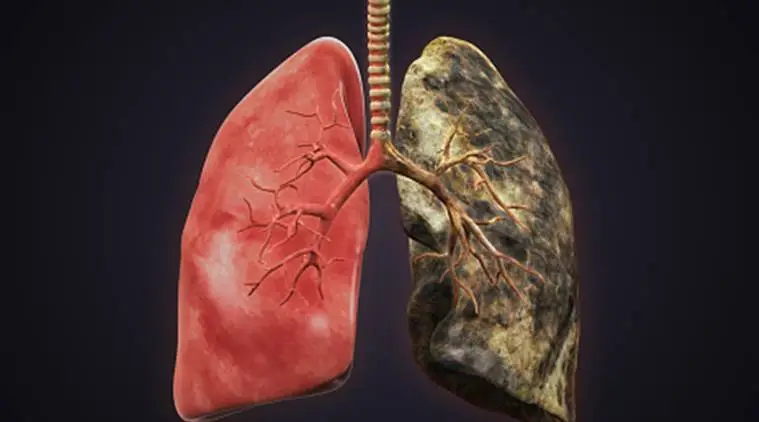
To live, breathe and speak, humans need air. We breathe air in through our nose, which filters the air and reduces the dirt and dust particles to get into the lungs, so the lungs can supply us with clear air. The lungs collect the oxygen and pump the correct amount of airflow and air pressure towards the vocal folds , and by vibrating them, they help us speak. We often talk about how important it is to have a healthy pair of lungs and having a big lung capacity for running or singing but with a respiratory disease talking while walking or even sitting can be challenging. Many things can damage our lungs, for example smoking, some illnesses such as Corona virus or obesity.
.jpeg)
THE MUSCLES
Us, humans are big piles of meat. The meat is the muscle and everyone has it. Some people naturally have less, some people have more and many people exercise or take pills or protein powder to help them gain muscle and give them a lean or big, muscular look. But they do more than make us look attractive. There are people who are born with illnesses that cause muscle loss or muscle weakness and are unable to do seemingly simple and effortless tasks such as standing, walking or squeezing with their hands. Muscles give strength and sturdiness to our body. The most commonly mentioned muscle is probably the rectus abdominis, the "6 pack" that plays a crucial role in producing sound, but there are smaller muscle groups as well that help us speak such as the tongue, facial muscles and neck muscles.


THE ABDOMINAL MUSCLES

The abdominal muscles are strong bands of muscles layered on top of each other to create our trunk. They’re can be found at the front of our body, between the ribs and the pelvis. The abdominal muscles play crucial roles in our everyday life, including supporting our posture and helping with movement and holding the organs in place.
There are five main muscles in the abdomen:
-
Rectus abdominis.
-
Pyramidalis
-
External obliques.
-
Internal obliques.
-
Transversus abdominis.
In fitness videos, we can often hear trainers talk about " keeping the core engaged", in this case, they are referring to the back and abdominal muscles. These two muscle groups help to protect the spine and keep our body stable and balanced, giving us the correct posture.
THE RECTUS ABDOMINIS
We all want "6 packs", luckily we all have them, just not always visible due to too much fat covering them or having a weak core, where these muscles are not pronounced enough. They start at the cartilage of the fifth through seventh ribs and run down the front of the body, ending at the pubic bone. During inhalation, the rectus abdominis muscles stay relaxed, otherwise if we lock or tighten these muscles while breathing , it will counteract the coordination necessary for good inhalation. They should only be activated when singing, at the very end of a long musical phase. As the singer uses the last of the inhaled air, the lower section of the rectus abdominis muscles may lift the lower abdomen to assist the transverse abdominis, oblique, and intercostal muscles in delaying the collapse of the torso. The abdominal muscles are less important during inhalation. When the diaphragm contracts and lowers, the volume of the thorax increases and the lungs fill with air. When exhaling, the internal oblique muscles act as an opposite to the diaphragm, helping to reduce the volume of the air leaving the body and preventing it from happening all at once. When these muscles activate during speaking or singing, they also assist in delaying the collapse of the rib cage as air is expelled.
THE DIAPHRAGM
The diaphragm is a large, dome-shaped muscle that's essential for breathing. When you inhale, the diaphragm contracts and flattens, which enlarges the chest cavity and creates a vacuum that pulls air into your lungs. When you exhale, the diaphragm relaxes and returns to its dome shape, forcing air out of your lungs. Diaphragmatic breathing help with tone, pitch, and volume, and makes the voice sound stronger and more authoritative, simply put helping us to project our voice. The diaphragm also increases pressure inside the abdomen, which helps with other functions like getting rid of urine and faeces, and preventing acid reflux. The diaphragm is fatigue resistant, but it can atrophy due to ageing, disease, or inactivity and if weakens acid reflux and other health issues can occur. The diaphragm is attached to the sternum, the bottom of the rib cage, and the spine. It moves with the help of the abdominal muscles and makes it easier to empty the lungs. It also separates the thoracic cavity (lungs and heart) from the abdominal cavity (intestines, stomach, liver, etc.).

THE CHEST MUSCLES
Our chest muscles, mainly the pectoralis major and minor, help with breathing and speaking. When taking deep breaths from the chest, it supports our voice and helps avoid straining it.
We use our chest voice when we speak, so it is also called our speaking voice. We also use our chest voice when we sing in the chest register, in the lower to medium-high range. The thyroarytenoid (TA) muscles in the chest are responsible for bringing the vocal folds together to produce sound. Opening our chest is part of the good posture that is required for everyday life to prevent chest muscle tightness and also to be able to speak and be understood by others.


TORN MUSCLES
HEALTHY MUSCLES
Muscle tears present with sudden pain in the chest wall. People usually describe this pain as an actual tearing sensation. We can also notice a popping or ripping sound, immediate swelling , discolouring and bruising of the area but it sometimes extends to the upper arm and into the elbow, effecting most of the arm, leaving the arms feeling weak. We can compare and often spot the asymmetry of the healthy and the injured side due to all that mentioned above. It is best to asses the severity of the tear with MRI. Depending on the severity of the tear, treatments change too.
If it is a small injury, the tear is treated with physiotherapy and rehab. If the muscle injury is more serious, the tissue might need to be repaired with surgery. It is important to have this surgery done as soon as possible, otherwise we are risking that the muscle completely dies due to internal scarring. Before starting exercising again or starting therapy, it is important to consult the doctor who will most likely ask us to rest and immobilise the affected area. The rest can vary from 1 to 6 weeks.
Demonstrating what I learnt
VOCAL PROBLEMS
Many things can damage our vocal cords and affect our voice but to mention a few:
Upper respiratory infections (even something as simple as the flu)
Reflux ( acid reflux or heartburn)
Vocal misuse and overuse (shouting, yelling, singing too much in an uncomfortable range)
Health conditions: Parkinson's disease, multiple sclerosis and thyroid problems
Growths, nodules on the vocal folds
Cancer of larynx, mouth, lungs, which can occur more often in heavy smokers
Neurological diseases like vocal fold paralysis
Psychological trauma (our brain preventing us from using our voice)
Some medicines side effects include drying out the mouth and vocal cords
Age: Being a woman over 50 can increase your risk of voice disorders
Job: Not only singers but anyone whose jobs require a lot of speaking or shouting like teachers or football coaches
How to help our voice:
Staying hydrated:
It is recommended to drink 2-3 l of water each day for an adult but many people do not know that when they drink caffeine or alcohol, they actually withdraw their fluid intake, therefore, they have to drink more to keep the balance.
Vocal naps:
Resting our voice, avoiding singing or speaking for a day.
Humidifier:
In winter, when we open our windows less and keep the rooms heated, we create a hot and dry environment. Humidity should be around 30 percent inside.
Avoid or limit use of medications that may dry out the vocal folds, including some common cold and allergy medications. If you have voice problems, ask your doctor which medications would be safest for you to use.
Stop with spicy foods:
It often causes stomach acid to move into the throat and causes heartburn or GERD. It is especially bad if we already suffer from reflux.
Eat your veg:
Healthy eating, fruit and vegetables help with creating mucus in our body, making sure that our insides are well oiled.
Ask for help:
Voice therapy is available and a speech-language pathologist can help in treating voice problems and teach you how to use your voice in the correct way.
Problems noticed:
Running out of breath
Raspy voice
Not able to hit high notes
Incorrect British accent
Medical conditions:
Tonsils removed in childhood
Reflux
Anxiety
Scoliosis (spinal deformity)
Goiter on the thyroid
Deviated septum from a fall
MY VOCAL PROBLEMS
Other potential issues:
Too much coffee
Obesity
Weak abdominal muscles
Tight neck and chest muscles
Born abroad
Singing without vocal warm ups
VOCAL WARM UP &
ACCENT PRACTICE
THE SOLUTION
EXERCISE ROUTINE &
HEALTHY DIET

MEDICATION


February results


Evaluating results
February
If I had to honestly evaluate the progress I have made in February, I would say, it is a good start. I lost 4.7 kgs. due to eating smaller portions and snacking a lot less. Any sweets I eat, I make them myself now at home with healthy ingredients. I have also hit or almost hit my daily target of 5000 steps per day on many occasions. I achieved this by walking my dogs or using the treadmill on rainy days. However, there are some days where I achieved very low step counts and I have not started running yet. This is something I will try to schedule for March. Vocal warm-ups need to be moved from college days to the weekends because I am too busy doing other things when I am there. In March, my plan is to focus more on vocal warm ups and create my workshop.
March
I am going to start my evaluation with a positive note. This month I have achieved the 1 stone over 6 kgs. weight loss. Luckily, the weather has been really nice this month so I was able to take my puppies out for longer walks, for example to hilly Painswick Beacon in Stroud. I find I have reduced appetite for sweets because I now find them overly sweet. While doing vocal warm ups , I have noticed that my weak abs and diaphragm might be the main reasons why I struggle with high notes. If I place my hand on my stomach and push on it to help secure my core, I sing and speak high notes much easier. That means that if I ever want to improve, I must start doing abs and core exercises. I found it quite hard to complete everything from the list in February, so i will be reducing my expectations and set achievable goals.
April
Although voice training should be contentious, this term is closing so I must make a conclusion. With the help of this unit, I lost over 8 kilograms, I moved more and I identified some hidden cause of my vocal problems. I now know that my abs and diaphragm are weak so I will carry on working on creating a strong core. I also addressed my stiff neck and had many sessions with a chiropractor and massage therapist, which helped me feel less pain, have a relaxed neck and open throat for speaking. I switched to decaf coffee, which significantly reduced my reflux symptoms and it also helped with energy crushes I experienced previously.
I am positive that by carrying on with training I set for myself and with healthy living, I can improve even more and perhaps revisit my results next year.
My vocal warm up routine
I watched many videos on vocal warmups and these were my favourite ones. I had to make sure that I found ones that I enjoy doing, otherwise I would have become discouraged very quickly. In the next few weeks I will be using parts of these videos and practicing to help and develop my voice.
Studio day
Part of our voice acting unit is to research different styles of texts, perform and record them. We are lucky enough that at college we have multiple days of doing it so. Starting with the most primitive gadget, our phones! The easiest way to record sound is with our phone. We get two options: video recording and sound recording. I recently purchased the Google Pixel 8 Pro because it promised beautiful quality pictures and because one of my hobbies include photography, having a phone with a high quality camera is the most important aspect of it for me. So, I will be testing my phone in my home studio. Yes, I have a studio inside my house. My original plan was to apply for the music course, not performing arts so I repurposed one of the upstairs built-in wardrobes into a studio. It is basically just a tiny room with soundproofing sheets glued on the wall. Still, I am excited to use it, it makes me feel that it wasn't a waste of time. Next on the list could be some clip-on microphones that we can see influencers use in shorts and videos. I am not planning to purchase one of them but if one of my classmates has one, I will be happy to try it. Then we get to the "mini studio" we have in the theatre. It is a stand with a microphone on and sound-proofing shield around it. We did a few recordings with it and the results were excellent (at least for my ears). We discovered different angles and even tried to maximise the soundproofing by placing the stand inside the curtain and wrapping it around us. Last but not least, we also have studios, mainly used by the music students but for this project we have the room booked for us to use every week. The studio has different rooms, there are ones to play the drum and other musical instruments in there but we are using the voice recording studio which has a control room on the other side, separated by a glass wall. Inside the studio there is a microphone stand with acoustic shield and pop filter. On the video I attached I was using the studio with William and Thomas, both of them are learning sound engineering and recording so I tried to stay close and learn a trick or two, just basic things like start and stop the recording, to be honest. This was also a great opportunity to record my narrator work for my personal project: Money Heist.
Different types of recording devices


Voice projection for different types of microphones
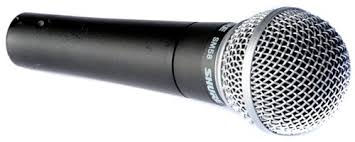
This is the standard microphone you can usually see at concerts , recording vocals or bass guitars and drums. The reason is that a dynamic microphone is less sensitive and (with the help of a moving coil and magnetic design) can capture high sound pressure levels. They are also used at public speaking events, for example when in important person needs to give speech to a crowd.
Microphones work by air pressure changes via a diaphragm (material) that vibrates when receiving sound waves. The patterns of the vibrations are converted into electrical signals which can then be recorded. There are different types of microphones that are more suitable for different projects.
Dynamic microphone
Condenser microphone

Condenser microphones use capacitance instead of moving coils. This design makes them more sensitive, capturing sound in high fidelity. Due to this, they’re ideal for vocals, crash cymbals, and brass instruments. These types of microphones are usually found in studios with a pop filter, connected to a mixer or direct box with phantom power. Their structure is less sturdier than dynamic mics so they must be handled with care.

Ribbon microphone
Ribbon microphones were very popular in the radio industry, although it is now fading out. The light metal element allows for improved sensitivity to higher frequencies without any damage to the sound quality and they give out detailed, warmer sounds. Another advantage is that most of these do not require phantom power. However, the older designs were very delicate so they were damaged easily. Their newer version is of course built to be stronger and last longer.
Polar patterns
Cardioid Microphones (unidirectional)
These are the most popular microphones because they pick up sound from the front only and black out ones from the back and sides. They can be used perfectly at karaoke, or big arena concerts because they block the crowd out.


Omnidirectional Microphones
These microphones capture sound from all angles, producing a studio-quality, or natural-sounding tone since it captures everything. For this reason, they are often used in studios, recording multiple instruments at the same time or in churches with great acoustics. The downside of it is that it also records the back noise so in case of a band recording, it is possibly the best to gather around it in a circle.
Figure-8 or Bidirectional Microphones
This polar pattern follows the shape of number 8, meaning that it picks up sound from the front and back while rejecting sound from the sides. This microphone is great for recording duets and duologues or 2 instruments at the same time.

Shotgun Microphones
They are also called Line or Gradient microphones because of their long, and slim tube shape, making their polar pattern extremely well controlled. These microphones cancels noise by using a capsule at the end of an interference tube. Shotgun mics are most often used for filming and at theatre plays, recording from up above in an overhead position to capture singing groups, choirs our conversations on a film set. We used a similar looking microphone to record my personal project (Money Heist) in the media studio.

My tiny home studio makeover

The house my partner and I recently bought had this tiny room, previously used as a wardrobe that we found not needed and not good for anything, apart from dumping and hoarding. So, I've decided to turn it into a studio, by simply gluing on acoustic sponge panels on the wall to keep the sound in and the neighbours happy. This was a quick and easy way of transforming this room into something useful. All we need to do now is move the microphone in here, so I can record voice works and start singing in here. Good luck for the next tenants taking the panels off though.
This video was recommended to us by our tutor, Sonia. There are many useful tips on voice acting from the most successful stars, like Tom Kenny or Lisa Schaffer. I will be noting down and sharing some of my favourite tips here.
First of all, let's make it clear that voice acting isn't just reading aloud.
The soul of this business is acting, the funny voice you put into a character is secondary "to the heart of the character you develop".
Just because you can copy a voice you heard , doesn't mean that you are a voice actor. You have to be able to hold a voice for 4 hours, and be versatile with it, for example using that voice as if the character has been electrocuted or punched in the face, been sad, even if they a usually a happy character and do it naturally, because there isn't much time on set to think about this.
Character analysis is important, do we know if the subject is human, which planet are they from ,how old are they? Going into fine details and having a deep knowledge of them. How old is that a child, what's their knowledge like, are they smarter than the rest of their age group? How do they stand, what family they come from, have they got a lisp?
A musical background can help to understand a character's level of voice. There is a rhythm to characters and that is the music in them. When a bad guy walks into the room the music changes to minor keys and bad guys speak in minor keys too.
If you position your body to what sound you want to achieve, the voice will follow.
Versatility is important, being able to play a range of characters gets you more job.
You have to be comfortable with your character 100 percent. They might ask you to rerecord scenes or lines.
As games involved visually, the characters personalities evolved with them so nowadays there are a lot of actors doing voice acting for games. It is a time consuming role, there are lot of directions to produce different versions of sounds for different outcomes e.g. character being shot and crying, being shot and doing a crazy laugh, being shot but getting up immediately, doing a 10 or 20 seconds scream.
Vocal warm up is crucial because you will be using your voice for hours on set and using it in extreme, unusual ways. Straining your voice can lead to vocal bleeding, or losing the voice. There are quick numbing sprays available for pain.
Recording with theatre equipment
Result - recorded with theatre equipment
Faith and I practised some 5 minutes murder mystery radio plays and recorded them with the help of the theatres mini studio. On the videos, you can see us practice and listen to the finished recording on the bottom of this segment.
The challenge of these scripts were that there were about 4 or 5 characters but we only had two microphones so we had to voice multiple characters, men and women. I personally struggled with coming up with different accents and voices and to remember them and keep them on until the end.
Faith project voice recording
Faith is creating an anime and she needed some voice overs recording. Because I only have a few lines to read , I helped out with recording. Spending time in the studio is something I really enjoy. Whether this project will be realised by the end of Easter, I am unsure but you can see me perform on the second video at 11:30.
Recording result
This is a solo piece I worked on from the book, my tutor, Sonia gave us. I like this story because it is very funny and has great wording to show the accent I was aiming for: Northern. Because I was born in Hungary and only moved here at the age of 17 I haven't learnt the correct tongue and lip movements to excel the standard British accent, so trying to put on different ones is even more challenging to me. I spent 6 months in Sheffield so I was trying to channel what I have learnt there. I understand that it probably sounds incorrect to a native speaker but I am happy with the results and one of my classmates asked me if it was a Scottish accent I was aiming for and I thought that was quite a positive feedback from him.
This is a project that I am not satisfied with. I think I understood the message and at the beginning of the videos, you can see me analyse the text but I am still not a 100 % happy with the results. After listening to them, I think I did well on using a soft voice, however "joy" is missing from my reading, which make it sound like more of a funeral speech rather than a love letter.
I believe this is due to English poetry being spoken differently from the way I learnt it in Hungarian. To improve, I will be listening to poems and specifically love poems performed by English native speakers.
To read the manual, I tried to use a neutral voice, with no emotions or judgement on the lines or on the audience, just getting the message through in an easy to understand way. On my second reading, I was running out of breath half way through and struggled to finish. I realised it was because I was slouching down so on the final reading video I sat up straight, allowing more space for the lungs to be filled with air. In the second video I also lost my voice towards the end, I could feel my voice breaking up and going raspy, possibly from reflux. However, when I listened back to the recording it is not as noticeable to hear but it was causing me not just physical but mental problem as well, because I started focusing on my voice not performing well, instead of keeping my eyes on the text. I have now been taking my reflux medication for a few days, so I hope, soon I will see improvements.
I am personally quite happy with the way I delivered these lines. I think I used the correct voice and accent, to the best of my capabilities. My aim would be for the future to have an even better English pronunciation and read even more fluently, sounding more "robot-like" or develop a better presenter voice.
This book is an instructive book, similar to the treadmill manual. However here we know the author, so I tried using a neutral voice to give clear instructions on gardening but filled it with a tiny emotion and used a small amount of kindness( softness) in my voice, understanding that Geoff himself is talking to his audience. In this whole book, the author is giving practical advice and sharing his experience and knowledge on gardening but keeps an objective approach. However, in some of his texts he includes a more personal tone and mentions specific problem he faced for example fighting with bugs or saying that -myself including- when talking about mistakes he has made.
I am happy with my pronunciation and accent here, I believe I am easy to understand here. However I have struggled with the word "perennial". I never heard of it or used it before and while I tried practicing it and listening short clips on how to pronounce it correctly, I kept forgetting it while reading and you can hear me being unfamiliar with the word and uncertain at times, stopping for a split second to remember the pronunciation. This unit encourages me to read more than I am used to so I am positive that I will learn new words and phrases.
In these videos I also noticed that I am articulating a lot and my mouth moves a lot to try to deliver my message as clearly as possible. This is something I do not see from native English speakers, they seem to speak more effortlessly. I think I am used to speaking up and articulating because I found that some people, for example the elderly with bad hearing was struggling to understand me when I moved here, so now this a habit of mine that I exaggerate my movements and mimics. Now that I am aware of this, I will try to work on perhaps less and more appropriate facial expressions.
Character voices
Inspiration
My version


Dragonfly
Mouse
Sloth
Tasmanian Devil
Giraffe
Narrating
Practise
Finished recording
Evaluation

Hungarian voice acting
When in 1927 Alan Crosland in The Jazz Singer said his first sentence, it caused a lot of problems and inspiration to the Hungarian filmmakers. Most citizens didn't speak English , rather a little Russian or German so they weren't able to understand long dialogues. This made filmmakers come up with the art of dabbing, or "szinkron", as they call it in Hungarian. It took them 8 years to come up with a plan to save the cinemas and get the audience to watch films, by offering new and translated films. This was a time in-between world wars, so most people were not fortunate enough to afford television, therefore they had to go to a cinema if they wanted to see a film. This was also a great way of socialising and forgetting their problems for a couple of hours. In 1936, the German comedy Viereinhalb Musketiere (Négy és fél muskétás) had its first premier in the Magyar Film Iroda (Hungarian Film Office) in Budapest. In response from Hungarian directors, there were many films made in the Hungarian language, trying to make foreign films vanish from the cinemas. They have succeeded and translated films only came back in 1947 when Tamas Feher directed a translated version of the Soviet film, Kreiser Varyag (A Hősök Hajója). In the same year, 3 other films were translated too. Although, these were very passionate trials, the quality was still rudimentary. In 1949, Gudkov, a Soviet translator and director started working with Hungarian filmmakers, teaching them secrets and tricks about creating better quality voice overs. From then on, many films and series have been translated to Hungarian. Although, this is something that Hungarian people are very proud of and consider themselves to be the best in this industry, actors aren't appreciated and paid well enough. In this video on the right, famous actors talk about earning only 80 pounds/ film. So anyone who still agrees to participate do it for a hobby, fun and passion for the industry.
