

Acting for the camera
The difference between theatre and film acting
Theatre:
Loud, projective, using the diaphragm
Live audience, live show
Exaggerated gestures, theatrical movements can be used due to the distance between the stage and the audience
Live show, only 1 take so needs to be right for the first time
Immediate feedback from the audience in a form of laughter, silence, attention, anyone walking out during the show or being noisy and uninterested. Other feedback comes from directors as soon as the play ended.
Success rate can be measured by listening to the clapping at the end and the amount of tickets sold
Frequent rehearsels, where the whole of the actors and crew are presents
The whole of the script is printed and should be finalised or almost finalised before rehearsals start
Film:
Articulative but more casual, using chest voice, normal speaking voice because of the microphones
Audience sees the finished , pre-recorded and edited product in cinema or on television
Subtle movement and body language because the camera takes close-ups so every little blink shows up
Multiple shots of the same scene with different camera angles
Feedback takes month to receive, after the show has been recorded and played to the audience, it is in a form of comments, likes and shares and in indirect way of the audience talking about the show between themselves
The amount of people who watch the full show and leave positive feedback can indicate the success rate
Actors scheduled in depending whether they appear in the current scene or not. They don't all film together every time , they might just come in for half a day as well
Actors don't always get the full script, they work block by block, scene by scene and often unsure of the outcome or the end of a movie or a season. The script can frequently change
VOLUME
AUDIENCE
MOVEMENT
TAKES
FEEDBACK
TIME
SCRIPT
Film vs series
A "film" is similar to a single episode of a series but here the whole story is being told and completed. A "series" is a collection of episodes that relate to and build on each other. We usually find out more about the story and the characters as we watch more and more episodes. Series can have seasons that lead to more complex story lines, introduces new characters, bring up more problems to solve and we can often learn more about the existing characters, sometimes by talking about their previous lives. Films are usually 90 minutes long nowadays and often have their premier in the cinemas. An episode of a series usually last between 20 to 45 minutes. Example of a film is "Genius" and example of a series is the "Game of Thrones".
Film vs series
A "film" is similar to a single episode of a series but here the whole story is being told and completed. A "series" is a collection of episodes that relate to and build on each other. We usually find out more about the story and the characters as we watch more and more episodes. Series can have seasons that lead to more complex story lines, introduces new characters, bring up more problems to solve and we can often learn more about the existing characters, sometimes by talking about their previous lives. Films are usually 90 minutes long nowadays and often have their premier in the cinemas. An episode of a series usually last between 20 to 45 minutes. Example of a film is "Genius" and example of a series is the "Game of Thrones".
Genres
Genre means type or category of a video, film or series. Any motion picture that carries the same or similar styles, comes under the same genre. We can usually spot the category by looking at motion pictures' aesthetic approach, the story-telling method and our emotional response to them. For example if a piece is about someone dying of cancer at a young age, we know that it will most likely not fall under the comedy category. If we are aiming to make a film that is a specific genre, we must comply with its rules. However, we must recognise that it might fall into more than one category. There are many genres but the most common ones are horror, comedy, action, animation, drama, fantasy, musical, thriller, documentary, romance, western, science fiction, noir, melodrama, historical, fantasy, adventure.
COMEDY
A pleasant, happy and funny story that aims to make the audience laugh. Romance often appears together with this genre, called romantic-comedy, where we can see people's love develop and follow their adventures. There is also situation-comedy, where we can watch ordinary people living their lives and learn about their interactions, struggles and motivations e.g. at work.
Examples:
Dumb& Dumber
50 First Dates
The Office
How to act in a comedy film?
-helps if you are naturally funny and edgy
- bring on big energies
- make funny faces
- play with your voice (high, deep, squeaky)
- its okay to make mistakes
- anything can be funny in the right contest
but don't cross the line by being too rude
HORROR
It intends to entertain and educate by making the audience feel fear or disgust. There are many sub-genres e.g. ghost, monsters, zombie, supernatural, slasher, splatter etc.. There are also predictable moments and situations, such as a family moving to an old house, someone walking in the forest at night, prank phone calls.
Examples:
Frankenstein
The Texas Chain Saw Massacre
The Conjuring
How to act in a horror film?
- use body language: trembling, wide eyes, rapid breathing, flinching, sudden movements.
- practice your convincing scream
- stay in the moment and react to what's happening currently
- use method acting to fully understand what your character feels e.g. Have you ever run from the shadow monsters after switching the lights off as a child?
- be prepared to shoot in cold and dark places
- don't just scream, learn to whisper, cry, use trembling voice and panicky shouts
SCIENCE FICTION
Science fiction /sci-fi/SF usually explores imaginative and futuristic concepts, showing advanced science or technology. The writers imagine what life could be on a new planet, in an alternate universe, or in future times. It often shows conflict between robots and humans or humans and aliens, where at the end they either make peace with each other or their conflict ends up causing irreversible damages. There are also superhero science fiction movies, e.g. Hulk, Superman, Spiderman, some of them were converted from old comics.
Examples:
Dune
Star Wars
The Terminator
How to act in a science fiction film?
-channel your inner child
- be open-minded
-use your imagination
- have fun
- be prepared to mix genres and emotions such as fear or excitement or humour
- fully understand the new world and its rules
- come up with an interesting voice and a suitable accent for your alien character
- get to know current technologies to be able to understand future robots, computer systems and weapons
DRAMA
While the story can be fictional, it usually shows real emotions and realistic life events, such as breakup, death of a loved one, or a catastrophe but it has many categories that allow a wide range of ideas. Examples include soap opera, police crime drama, political drama, historical drama, domestic drama, teen drama, comedy-drama (dramedy) and more. One common factor is the conflict in all.
Examples:
Outlander
Schindler's List
Casablanca
How to act in a drama film?
-be mysterious
- deep understanding of the character's personality, thoughts, feelings and motives
- learn to reflect pain with your eyes
- treat "silence" as lines
- pausing, whispering, swallowing while talking and other micro-movements will be important
- don't forget that your character might want to hide their true emotions or personalities
- be dramatic
- practice sadness, crying, suffering and melancholic acting
- use your real life experience to authentically portray emotions (method acting)
Story-telling with the camera and camera angles
Camera, with the right types of shots and angle can tell stories without any dialogue. I am here to prove this statement to you.
LOW ANGLE SHOT
The subject being filmed from below the eyeline. Low angle camera shots aim to emphasize power, superiority, strength or make the audience fear the person they looking up at. This angle is usually paired with high angle shot on the other character. On this picture I aim to look confident, powerful and charming.


HIGH ANGLE SHOT
The shot is being taken from high up and the camera points down at the subject. It aims to create a feeling of inferiority, or “looking down” on your subject, showing powerlessness and vulnerability. On this picture I aim to look innocent, cute and feminine.
EYE LEVEL SHOT
An eye-level shot is a very natural position. This is how we usually see people in real life with similar height to us. This shot shows eye contact and equality. This is our true self. When teaching children, it is often advised to sit on a chair or kneel down when trying to have a serious conversation with them to establish trust. This angle reflects the most accurate version of me. No filter, no posing, no impressive angles to hide imperfections, just me.


SHOULDER LEVEL SHOT
Many people don't know but shoulder level shots are more commonly used than eye level shots. Here, the camera is placed in level with the shoulders and the actor's head fills the frame by not leaving gap above the head. The actor's eye-line falls slightly above the camera, creating the illusion of a slightly lower angle. It is important because with eye level shots, when space is left above the head, occasionally, the subjects can appear shorter from what they are.
DUTCH ANGLE / DUTCH TILT SHOT
As we can guess from the name, with this shot, the camera is tilted to one side. By slightly moving on the horizon line, we can create disorientation, imperfection, create tension or portray a disturbed mental state. These shots are great to show a drunk person, someone who is having a panic attack or a breakdown.


OVERHEAD SHOT OR BIRDS EYE VIEW
Overhead shots are often called birds eye view, elevated shot, or God's-eye shot. They are typically shot from 90 degrees above. Imagine it as someone climbing up a leader and pointing the camera down at you, or what you see when looking out of the airplane's window before landing. As this is a zoom-out shot, it is often used to show scenery, lands and beautiful outdoor areas or showing volume, such as a crowd in a big city or in a shopping centre. It can also help people see the bigger picture and imagine someone's surranding. For example if someone falls of a cliff and stuck at the bottom, it is a great way to show how far down they are and how helpless they became by using an overhead shot.
Different types of shots

Shot types intertwine with camera angles and movements and together they create a story. Camera shot means a frame or a period of time that in uninterrupted and without any changes from start to finish. It is almost like one setting and when change is needed, we are onto the next setting.
EXTREME LONG SHOT
Extreme long shots, also called extreme wide shots can be used to show the subject's surroundings, whether it is the desert island or a big city. Using this technique can make the actor look small, almost invisible compared to the big, open area. With this comparison, we can make the audience understand how overwhelmed the actors feel if their task is to travel across the ocean, the jungle or a never ending forest. It can also represent isolation, if the camera shows the character being held in prison in the middle of a desert, for example.

Extreme long shot

Long shot
LONG SHOT
Long shot or wide shot follows the same principle as its extreme version but here we can see the full body in the frame that does not fill out the whole of the screen, showing how much land is around them. So generous space must be left above, under and next to the subject in the picture. A good example is a person sitting on a cliff and being filmed from behind , having its full body in the picture and the beautiful scenery too.
FULL SHOT
Full shots concentrate on the characters and show them on screen head to toe. It is also called "full body shot" when talking about photography. This intends to have the audience get a good look on the character as a whole, what they wear, the way they look, the way they move. It can also be used to film fight scenes where the focus is on the body, showing how agile a character is.
Full shot
COWBOY SHOT
This shot got its name from Western movies showing cowboy guns fights. The characters are in the frame from mid-thighs up to allow the audience to see the gun holder on their hip, them gripping on the gun, pulling it out and using it. Of course this shot type can be used in non-western movies too where we want to show costumes or body language of the actors but also facial expressions too. Medium shots are similar to cowboy shots but here the actors are filmed from waist up. The third version is Medium close up, where we film from the chest up. This aims to show that the characters are close to each other, perhaps in the same room but a few steps away from each other, their bodies don't touch.

Cowboy shot

Medium shot

Medium close up

CLOSE-UP
Close-up shots are designed to show actors emotions, mimics and facial expressions. This could also be called a face only or full face shot. Brilliant way to show a character's true feelings and motives. It is important that while the character's face fills some of the screen there is still space for details around them, such as a murder weapon or lamp shade to show they are in a room.
Close up
EXTREME CLOSE-UP
Similar to close ups, however here the subject fills the whole of the frame. It is often used to show emotions and micro-movements, such as someone moving their eyebrows or tear running down their face. If it is an object in extreme-close up, we get small details that show clues, like a piece of hair on a furniture, or small, hidden writing in a book.

Extreme close up
Camera movement
Today's technology allows us to record beautiful pictures. Cameras nowadays are very advanced and come with many tricks and settings. The more we know about them, the more interesting and authentic footage we can record. Camera movements allow cinematographers and directors to shift the audience's attention without cutting and also create psychological effects.
STATIC
Static or still shots have no movement at all. We want the picture to be undisturbed so it is best to fix the camera down and use a tripod. This is used when an actor performs a monologue or we watch an interview with them on a television show.

Static
PAN
Pan is the camera movement from left to right, horizontally. This should be a seamless shift , not a rollercoaster ride, so a tripod or stabiliser is recommended to be used. We can use this technique when two characters are having a back and forth conversation or a rap battle. But it can also reveal new information by moving from a tired woman to a baby, we can assume it's her child and she is tired from being up with her at night. A fast pan is called a Whip pan and it gives energy and speed to the shots. We can imagine it as the yo-yo game or a cat and mouse fight (Tom & Jerry style) the mouse running back and forth to confuse the cat and escape from them.

Pan

Whip pan
TILT
Tilt is the vertical movement of the camera, in an upward or downward motion. The best example I can think of is Steven Spielberg - Jurassic Park movies. Where they are showing a large dinosaur foot next to a human and then tilting the camera up, as if the person was looking up and trying to find the end (the head) of the tall creature. It can also be used if a giant elephant is looking down on a small mouse. In this case, the camera starts from the elephant's eye level and tilts down towards the mouse.

Tilt down

Push in without stabiliser
PUSH IN
Push in is the physical movement of the zoom-in but instead of pressing down on a button on the camera, it is done manually. The camera is moved towards the objects on a dolly or with a steadicam (camera stripped to the videographer). They both aim to isolate the cameraman's movements and allow a smooth and controlled transition. The opposite of this is Pull out, which is designed to slowly reveal details and lets us see the bigger picture.
Steadicam and dolly are both perfect for "follow shots" when we want to make the audience feel like they are walking or running with or behind the actor.


Steadicam
Dolly

Zoom in

Zoom out

Follow


Story time, behind the scenes and evaluation
The original video


Thoughts, behind the scenes and evaluation
The original video
Media student project (lighting practice only)


Please click on the picture to see the practice video

Behind the scenes
In this video we can see the cinematographers carefully consider light and camera placement to create a romantic and calm environment. The aim was to represent an outdoor summer setting with using the lights as daylight and natural sunlight. There was a spotlight on both sides and also a balloon light on a long armed stand, hanging from the air, above our heads. The balloon light was mimicking the Sun. We have recorded long shots from the front at shoulder level and also close ups as well to show subtle emotions between me and the other actor, Charlotte. Our aim was to start the conversation by me listening to Charlotte reading me her poems and enjoying the sun outside than start talking about having a family and babies together with all its joys and worries.
Moodboard


Money Heist (My very own personal project - directed, styled and acted by me)
Trailer of Money Heist
Tokyo:
Tokyo (Silene Oliveira) who is portrayed by Úrsula Corberó, a Spanish actress. She is the narrator of the show , a runaway thief who is employed by the Professor to take part in his heists, after her mum sells her out to the police for robbing a bank with her boyfriend who has been killed during the job. Silene escapes with the help of the Professor and adopts the name Tokyo, which used to be her dream city with her boyfriend, while her mother dies of cardiac arrest, potentially from stress. She moves in to the villa for 5 months with 7 other criminals to study the plan of the heist.
Tokyo is a young, seductive, flirty and troublemaker character and during their time in the villa, she starts a relationship with Rio that can be explained as a roller coaster ride. She likes to be in control and doesn't listen to anyone else but the Professor , which later on causes lots of troubles for the team, so much, that Berlin, the captain, hands her over to the police.
Money Heist , created by Alex Pina, originally a Spanish television series, called La casa de papel (The House of the Paper). This heist crime drama series follows two well-thought heists led by the Professor (Álvaro Morte), one in the Royal Mint of Spain, the other in the Bank of Spain. The story is narrated and told by one of the robbers, Tokyo (Úrsula Corberó). She tells the story in a real-time-like fashion but it also includes flashbacks, time-jumps, and hidden character motives for complexity.
The show was released in the early summer of 2017 in Spain and bought by Netflix, reaching global streaming by the end of 2018. Filming took place mainly in Madrid, Spain, however many episodes were filmed in Panama, Thailand, Italy (Florence), Denmark and in Portugal (Lisbon) and even in Britain too.
The premise (the main story line is) about a mysterious and shy but incredibly intelligent man, called the "Professor" who outsmarts all challenges that come his way. He recruits a group of eight criminals, and gives them city names to remain annonym during the heists and holds classes for them for months so they help him carry out his ambitious plan of entering the Royal Mint of Spain, taking power over and and escaping with €984 million that they have printed themselves with the help of 67 hostages inside the Mint, within 11 days. After a successful first heist, the group scatters around the worlds and hides away from the police. Unfortunately, one of the members , Anibal Cortes, known as Rio (Miguel Herran) gets captured and secretly tortured by the police on a desert island. The Professor then plans a second heist on the Bank of Spain, in order to get Rio back and also to escape with all the gold from the Bank of Spain battling with the hostages, police, the government and the military but this time with public supporters on their side.
Awards:
The series won several awards, like the International Emmy Award for Best Drama Series at the 46th International Emmy Awards and critical acclaim for its sophisticated plot, interpersonal dramas, direction, and for its attempts to innovate Spanish television.
Rio:
Rio, Anibal Cortez is portrayed by Miguel Herran,
Spanish actor, is a hacker.When he was younger, he engaged in discreet multiple cyber-attacks and he stole banking data from North American servers. Although the crimes have been reported by several newspapers, the police weren't able to track him. The professor recognised his talent and employed him to hack the police security system and disable security cameras.
Rio is the youngest of the 7 robbers with no experience in robbing or violence. He is playful, naive, and innocent, considered to be the "weakest link". However as the show progresses, he steps up and learns to defend himself. Rio misses his family and police officers try to make a deal with him, promising him freedom , if he helps them. After the first heist finishes, he gets captured by the police and kept in a tight prison cell, where all he could do is stand and look around with his eyes. He is tortured in a desert island, humiliated and beaten, both mentally and physically, expected to tell where the Professor is. However, he stays loyal to the plan and to his love, Tokyo and doesn't let out any secrets.
CREW AND CAST
Director& Casting: Felicia Mills (me)
Marketing: Felicia Mills (me)
Videographer: Jamie Parry
MUA: Emily Bannister
ACTORS
Tokyo - Felicia Mills (me)
Rio - Matt Kuter
LOCATION
Gloucester Campus, Tv studio
Gloucester Campus, theatre
Gloucester Campus, garden and canal walk
Whetherspoons pub
BUDGET
Plan: £50 to spend on clothes
Actual: £49.48
LOCATIONS
Gloucester Campus, theatre
Gloucester Campus, garden and canal walk
Please click on the picture to watch the original video

Moodboard

Job roles on film sets
How I chose the actors (director work)
There are many criteria to look at when choosing actors for characters. We want someone who can most authentically portray the character, so we must do research and deeply understand the characters. Important factors to consider are the emotional maturity of the actor, voice, interpretation of the character, similarities with the character or being able to play various types of characters, even the ones that are the opposite of the actor. Physical appearance while isn't the most important , it is also a factor as films usually follow widely accepted stigmas such as the mean girl of the school is also the most beautiful girl on campus or firefighters are attractive and strong men who save lives or men with long hair are hippies. Of course this isn't always the case but we can definitely spot these characters in many films and character groups can easily be recognised, helping the audience understand the story and the motives of a character. When choosing multiple characters for a show, it is also important to test the chemistry between them. I chose myself to play Tokyo because I believe that we are similar characters: both bold, honest and passionate. However, often temperamental and undecisive. For Rio, I chose Matt because he is also a shy, kind and friendly young man. I met Matt at the first day of college, when our teacher, Sonia organised for him and Jamie Parry to come and talk to us about their experience at university and help us get started on our murder mystery project. I became friends with Jamie's girlfriend, Emily , who is on my course and we all started meeting outside of college. Matt and I only just started to get to know each other, so we didn't know much about one and other but when I proposed my plans for him, I made sure to talk to him more often because I find it important to get to know him better and build trust and chemistry. I watched all the projects he has done (this was part of my research plan about him) and I was aware that he never played such a serious and emotional role but he was happy to try something new and broaden his portfolio. I also asked Jamie to help us record the flashbacks part of the film for us. I worked with Jamie before and I know that he is talented and reliable and understands how to produce good quality filming material and also knows how to edit videos.
Acting techniques
The Stanislavsky Method: Formulated by the renowned theatre educator Konstantin Stanislavsky, this technique prompts actors to immerse themselves in their characters' experiences, envisioning their actions as if the narrative were real, rather than merely attempting to replicate reality.
Method Acting: This approach requires actors to fully embody their characters' mental states, engaging in imaginary situations with complete dedication.
Stella Adler’s Acting Technique: A protégé of Stanislavsky, Stella Adler's method encourages actors to infuse their personal insights, uniqueness, and life experiences into each performance, thereby broadening the narrative beyond the confines set by the director or playwright.
Meisner Technique: Sanford Meisner's method is rooted in exercises involving verbal repetition and improvisation, fostering a naturalistic approach to acting.
Uta Hagen’s Acting Technique: Uta Hagen is known for her anti-technique, which advises actors to avoid excessive analysis of their craft and instead concentrate on observing the nuances of everyday life.
Viola Spolin’s Theatre Games: Viola Spolin's playful, game-based approach to acting transforms the craft into a form of play, highlighting the importance of improvisation and spontaneous responses.
The Chekhov Technique: Michael Chekhov, another student of Stanislavsky, developed this "psycho-physical" method that links physical actions to emotional responses.
The Jerzy Grotowski Technique: The experimental Polish theatre director Jerzy Grotowski refined his teachings by stripping away what he deemed unnecessary in theatre—such as elaborate costumes, props, and sets—focusing instead on the inherent abilities of his actors.
My acting techniques
When acting in this short film, my aim isn't to copy Tokyo to the fullest but to show my acting skills and my emotional maturity on screen. I am the oldest on the HNC and HND course so I feel the pressure to create something that reflects my age and my life-experience and motivates my classmates. Luckily, I only just finished watching Money heist, so my experience and feelings are very fresh. While Tokyo isn't my favourite character, I like her love story with Rio. I chose their breakup scene because it shows a range of emotions: the happy moments of the couple in flashback form, the sad breakup scene, Tokyo narrating and reflecting on the breakup and her anger later on. I also decided to cut out any nudity or explicit language and change them to something subtle e.g. not filming in a bath tub , half naked but just sitting on a sofa or a bed. While Tokyo doesn't speak much in the scene I have chosen, I believe that the eyes say more than a thousand words. So I am watching the video and her body language while trying to understand her feelings. For example, when Rio says "I want to breakup" her first response is to laugh and smile for a split second. We would think that this is inappropriate behaviour but what I understand is that with the laugh she exhales air, lets tension out of her body and smiles in disbelief. She might thinks to herself: "What? You must be joking". People often laugh when they feel uncomfortable hiding this emotion and appear more confident and not affected by what they have just heard or found out. So I am watching the clip, stopping it, trying to understand and recreate her reactions. I find it easy to feel sad emotions, I consider myself a melancholic person and I listen to sad songs only because I can never relate to happy songs. There is beauty in sadness and depressed is my lifestyle. To sum it up, I am using "Method Acting", by Lee Strasberg and Marlon Brando. It means that I am channelling my own emotions and personal experiences to connect with my characters.
Filming the breakup scene


Evaluating the filming process
My first ever video edit
My plans didn't include editing this project but once I start something that I am passionate about, I can't rest my mind until it's done. I always wanted to learn some basic editing so I thought I would just download a program (DaVinci Resolve in this case) and someone would come edit the videos for me while I watch and learn from them but then I started watching editing videos for beginners and how to get started and thought I would at least open the program and fiddle around with it. Well, it turned out to be fairly easy and I managed to put the clips in chronological order, all in 5 hours. The original video is only 2.5 minutes long but with the extra footage added I now have an almost 5 minutes film with sound almost aligned with the pictures well enough. My plan is to edit the video to the best of my capabilities and then ask a Media student to help me finish it.
My editing results so far and the importance of continuity in performance
While it was easy to start the program and cut the clips together, there were problems while editing and I struggled on some occasions. I had 6 different camera recordings to work with that included picture and sound too. However, the sound was very static on this recording so my job was to use the sound we recorded with a microphone that was held above our head on a long stick. I started the work by cutting all the footage and focusing on the speaking parts and also capturing emotions. This resulted in the sound file needing to be chopped into many pieces to match the sound to the lip movements. The problem was that the video was cut from 6 different takes and Matt said his lines slightly differently in all of them. So finding the right sound for the right picture was very complicated and meant many pauses in the sound , making noticeable silent parts, because even the microphone was somewhat static and had a background noise. I used different settings to remove the background noise but it still wasn't perfect. So I decided to restart the editing by selecting the best sound clip and then chopping up the pictures to match that. This resulted in a continuous sound with minimal gaps and breaks. Any silent gaps that were noticeable, I bridged with a soft and quiet background music under the speaking parts.
The cinematographer's responsibility to achieve an undisturbed picture, by making sure the camera is fixed, does not move or shake and positioned or put back to the same angle for the same shots, matching eye lines and any background look or props. All, while remembering the "30-degree rule", which means when cutting between shots, they must ensure the camera angle changes by at least 30 degrees to avoid jarring jumps ans the "180 rule" that means drawing a straight line between characters heads , positioning the camera on one side, so the first character always frames right to the second one. This helps the viewer visually connect with unseen movement happening around and behind the actors , it works best in presenting fights and battle scenes in a believable way. Next to all of these however, it is crucial for actors to try their best to maintain the same volume while speaking, same facial expressions and movements and stay in the same emotional and mental state to help the editor's job.
Voice projection for different types of microphones
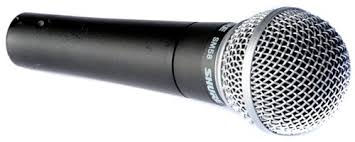
This is the standard microphone you can usually see at concerts , recording vocals or bass guitars and drums. The reason is that a dynamic microphone is less sensitive and (with the help of a moving coil and magnetic design) can capture high sound pressure levels. They are also used at public speaking events, for example when in important person needs to give speech to a crowd.
Microphones work by air pressure changes via a diaphragm (material) that vibrates when receiving sound waves. The patterns of the vibrations are converted into electrical signals which can then be recorded. There are different types of microphones that are more suitable for different projects.
Dynamic microphone
Condenser microphone

Condenser microphones use capacitance instead of moving coils. This design makes them more sensitive, capturing sound in high fidelity. Due to this, they’re ideal for vocals, crash cymbals, and brass instruments. These types of microphones are usually found in studios with a pop filter, connected to a mixer or direct box with phantom power. Their structure is less sturdier than dynamic mics so they must be handled with care.

Ribbon microphone
Ribbon microphones were very popular in the radio industry, although it is now fading out. The light metal element allows for improved sensitivity to higher frequencies without any damage to the sound quality and they give out detailed, warmer sounds. Another advantage is that most of these do not require phantom power. However, the older designs were very delicate so they were damaged easily. Their newer version is of course built to be stronger and last longer.
Polar patterns
Cardioid Microphones (unidirectional)
These are the most popular microphones because they pick up sound from the front only and black out ones from the back and sides. They can be used perfectly at karaoke, or big arena concerts because they block the crowd out.


Omnidirectional Microphones
These microphones capture sound from all angles, producing a studio-quality, or natural-sounding tone since it captures everything. For this reason, they are often used in studios, recording multiple instruments at the same time or in churches with great acoustics. The downside of it is that it also records the back noise so in case of a band recording, it is possibly the best to gather around it in a circle.
Figure-8 or Bidirectional Microphones
This polar pattern follows the shape of number 8, meaning that it picks up sound from the front and back while rejecting sound from the sides. This microphone is great for recording duets and duologues or 2 instruments at the same time.

Shotgun Microphones
They are also called Line or Gradient microphones because of their long, and slim tube shape, making their polar pattern extremely well controlled. These microphones cancel noise by using a capsule at the end of an interference tube. Shotgun mics are most often used for filming and at theatre plays, recording from up above in an overhead position to capture singing groups, choirs our conversations on a film set. We used a similar looking microphone to record my personal project (Money Heist) in the media studio.

How I achieved to seem upset/sad/heartbroken on screen
I mentioned earlier that I used method acting and channelled my own emotions and experiences to bring Tokyo's character to life. While we took multiple takes and there were many breaks due to camera or light adjustments, I found it easy to snap back into the sad, melancholic mood. I found that each time we rerecorded a scene, I was able to sink into my emotions and I was able to concentrate on Matt and forget about the lights and the people around us. Physical touches also helped me, such as touching or holding hands because it made me assured that we are there for each other to help out. The fact that both of us took our roles seriously has helped the process as well. We only took one water break while filming in the TV studio because I had to rely on the actor, the space availability and the cinematographers , I had to get that shot done there and then. We spent over 4 hours in the studio and we couldn't really leave or spot once the light and camera settings started, which took a long time but we both sat there patiently. Because we were filming closeups , I knew i had to be subtle on camera. This was very hard for me to do because in everyday life I often speak with strong mimics and exaggerated facial expressions , using my hands to explain my stories. I knew if I did that on camera, it would end up looking comical and it would take away the magic of the romantic drama genre. So, I was focusing on not moving my eyebrows or face too much and trying to stay natural. While I can see that it wasn't perfectly achieved, I believe that I was able to tone down my expressions.
The final result
Evaluation
HIT YOUR MARK! X
No, do not hit your friend called Mark... let me explain what I mean...
A "mark" is a designated spot on the floor, often displayed with a bright and colourful tape. "Hitting the mark" means to arrive at this designated area. In the video, we can see the cameraman sticking green coloured tape on the floor to show the actors, where he expects them to arrive while dancing. He does this because the camera has been set with the correct angles and here the lighting is suitable for filming, with no shadows on the actors. If they miss their mark, they will move out of frame and ruin the footage.

Practicing hitting the mark


Love Under Fire
Script analysis
Olivia experiences a range of emotions, starting by calmly and casually walking on the street until in a time of a split second everything changes, when the blood-covered Thea collapses into her arms (First key moment, the chaotic meeting). She is obviously very confused by what just happened and her terror reaches the top when she sees Thea's blood on her. Her emotions shift between confused and panicky and trying to reassure Thea that she is getting help for her. Adrenaline takes over her body and she looks for Thea's phone to call for help but she feels lost again when she notices the broken phone.
She takes Thea home and becomes angry with herself and Thea for not letting her call the ambulance for her. She is vigorously washing herself and her clothes in the sink. Then she has a moment of clarity , snaps back into reality and realise that no matter what The says , she must call an ambulance because she isn't medically trained and if Thea dies, she will be responsible. How would she prove to the police that it wasn't her who killed this woman ?
Luckily, Thea wakes and her voice makes Olivia jump, she is in disbelief. (Second key moment, Thea wakes up, gives hope to Olivia) She is still in panic mode and keeps overthinking when Thea shuts her off and calls her "baby girl", a sweet loving name. This makes Olivia blush and disorientated because she wasn't expecting a compliment from this beautiful woman. After a split second, she repeats herself and trying to pursue Thea into calling a doctor. As Thea keeps talking to her, she becomes calm and curious and listens to what she has to say until she is being asked by Thea to let her use her phone to talk to her doctor. Olivia is getting worried by the conversation she just heard and she is afraid she might be in danger so she starts walking towards the door, hoping she could sneak away. She stays suspicious and confused and asks many questions from Thea. At this point, she is fed up of not understanding the whole picture and requires direct answers. She stays agitated until she realises that Thea is an undercover police woman. At this point she shows some trust towards the injured woman and offers her to stay at her house overnight.
When Thea opens up and tells all the horrific and honest details of her job, involving children, we can notice Olivia's mood shift from curious to mortified and disgusted. She becomes shocked and terrorised and turns white. She stays in this mood until Thea offers her a drink, which she takes gratefully and then a friendly, slightly flirty chat starts between them, probably talking about topics that are easier to take in for her. (Third key moment, trust building, calming down period)
In the next scene, Thea recognises that there are people outside the building, looking for her. Olivia notices her change of mood and becomes suspicious and confused once again. (Fourth key moment, the chase starts, chaos starts again makes a frame in the story)
Then from this moment, the chase starts and her emotions heighten and her answers become chaotic. Once she hears about a place called "Jude's", she becomes curious and listens to Thea talk about the place. The story stops with Olivia standing by the gates and placing all her trust inside Thea's hands when she walks towards to large house with her.


Mood Board
Thea - dark femme energy
Olivia - light femme energy


Together - Ying&Yang, Dark and Light, Sun and Moon

Rehearsing sessions
Unfortunately we haven't been able to start filming this project due to Charlotte being busy completing her units for her HND qualification and the Media studio and cinematographer being busy working on other projects. However, I am still positive that this is something we can complete before the end of the academic year and if so, I will be uploading the results here.
Vocal techniques for the camera
Speech, articulation and vocal health is crucial for actors because their voice is one of their main tools. I am talking about this in detail in the other unit I have been working on for the last few months : Voice acting
Managing vocal health for repeated takes
If you know that you are ahead of a long day of filming, you have to be prepared.
First, have a good rest the day before and prepare everything you will take with you on set. Make sure you have water with you and refill available , so you can have a few sips while you are on break or if there is a scene change. When I was filming my personal project , Money Heist, I did not realise how long will a 2 minute scene take to film professionally and I left all my food and water downstairs and we ended up filming with all setting up included for 4 hours. Healthy lunch is essential for having energy to carry on. Avoid eating food that is too spicy, acidy or over processed, instead have a light meal with wholemeal ingredients.
Secondly, don't skip your warm up routine because your voice will be used all day and it needs to be woken up gently for the long working hours.
Thirdly, try to have your breaks in silence to give time for your vocal cords to rest. If you keep chatting, singing or shouting on your lunch time, your voice will not get a break and it will be tired by the second half of the day. This is also the time to check whether you have taken your daily medications, especially if you have health issues that can affect your voice e.g. reflux.
Furthermore, you should avoid smoking and second-hand smoking too. If you are filming in a smoky environment, ask to keep it short and make sure the fumes are as safe as possible and do not let them expose you to anything harsh or damaging.
Finally, when your day is over, have a quiet night, relax and recharge for the next day with an early night.
Lights, Camera, Massacre written and directed by Faith Bethell
This films genre is horror and gore. Gore is a sub genre of horror and it includes blood, cuts, scars, exposed human or animal flesh, bruises, violence and physical pain. However, my character, Chase Harrington is a TV reporter and investigator, who dies at the end of the film, I hadn't had any makeup or special effects done because the scene cuts off with the rope being tide around my neck and then fades to black out. To prepare for the role I watched many videos from news reporters and I realised that the key is to keep a natural voice while talking, explaining the situation, without expressing any personal opinion or emotions.
Mood board
Film

Character

Rehearsals
We hadn't really had proper rehearsals because the script was 44 pages long and we hadn't had time to film the whole of it so the director ended up cherry-picking scenes on the day. We had mini rehearsals on the days we were filming, breaking the scenes down to bite size chunks, repeating them a couple times, then filming them. To be honest, I didn't like this because we all ended up being rushed and stressed on most days, I like being prepared but it definitely helped with my script learning and improvising skills.
Final results
The final results are currently pending, due to technical issues the director and editor have been experiencing , here is a rough cut and edit she completed.
Research material
https://sparksarts.co.uk/screen-acting-vs-stage-acting-7-important-differences/
https://en.wikipedia.org/wiki/Money_Heist
https://money-heist.fandom.com/wiki/Rio
https://en.wikipedia.org/wiki/Film_genre
https://www.backstage.com/magazine/article/quick-comedy-tips-11107/
https://en.wikipedia.org/wiki/Science_fiction
https://filmtett.ro/cikk/a-magyar-szinkron-tortenete
https://www.studiobinder.com/blog/ultimate-guide-to-camera-shots/
https://en.wikipedia.org/wiki/180-degree_rule
https://acousticnature.com/journal/lowest-self-noise-microphones-field-recording-comparative-list


